

Sweet Potato Mash
- Soomaali
- Maash Bataato Macaan
- Français
- Purée de Patate Douce
- العربية
- بوريه البطاطا الحلوة
By Leila & Abdullahi · ·
Ayeeyo (grandma) Ebla used to plant them. She was my great grandmother and she was a nomad, a transplanted nomad. Put her anywhere and she would thrive, a true survivor. I never met her but I have a lot of respect for her. How can you not respect someone who was born a nomad, raised a nomad, yet quickly adapts to settled life and takes up gardening as if her life never depended on it?
Whenever mother cooked food for us, she would tell us a story and open a window into her childhood. She told us how ayeeyo Ebla dug holes in the sandy soil of Wardhigley (district in Mogadishu) while she and her little brother stayed two steps behind and placed small sweet potatoes in the holes. Ayeeyo planted sweet potatoes, beans, watermelons, tomatoes, and corn, enough for her family as well as some of her neighbours. Land was plentiful those days and most everyone planted a little something.
We have also taken up gardening, continuing ayeeyo Ebla’s tradition. We haven’t seen many Somalis growing food in the diaspora and that is quite unfortunate. Ayeeyo Ebla had every excuse any of us could ever come up with. She fled from the dervishes and trekked on foot for nine months from the hinterland of Eyl to the outskirts of Mogadishu, a journey of more than 1,000 kilometres. There were a few hurdles along the way, including the routine self-delivery of a baby girl, my grandmother, ayeeyo Isnino Egal Hirsi. The first thing the newborn saw was the acacia tree that she was born under, one among many, as unremarkable as the day she was born.
Ayeeyo Ebla boiled her sweet potatoes, and that was supper. It was a welcome respite from the almost nightly appointment with ambulo (boiled adzuki beans). Other nights, she would boil baby watermelons which mother remembers as sweet, sweet, and sweet.
The stories about ayeeyo Ebla weren’t just about the hardships she went through. The ones that I liked best were those that described her fun-loving spirit. She loved to sing and dance and a single tap on a haan drum would perk up her ears and alter the rhythm of her heartbeat. In the countryside, unmarried nomadic women would venture out after dark carrying the haan drum. A few taps would draw the young men like a moth is drawn to a flame. Song, poetry, dance, showmanship, and courtship (shukaansi). That is how women were courted.
In Mogadishu, she was reunited with her husband Egal, whom she hasn’t seen for many years after they were separated by the conflict. Married, she still responded to the call of the drum, to the rhythm of life. How do you repress that which is not under the control of the will? How do you retire fun?
Watch

Ingredients
1 cup = 237 mL · 1 Tbsp = 15 mL · 1 tsp = 5 mL. All are level measurements.
Healthy Mash
Creamy Mash
Method
Tap a step to mark it done.
Sweet potatoes (white flesh) Steps for preparing the healthy mash Peel the potatoes and cut into 1″ (2.5 cm) cubes. Place in a pot and add the water.
Cover and cook on medium heat for 15 minutes until fork tender.
Add the stock.
Add the chopped cilantro, roasted garlic, and cayenne pepper. If you don’t want too spicy, use just a pinch of cayenne or replace with ground black pepper.
Mash the potatoes. If it is too thick, add a little stock. Do not use a food processor! You will end up with a gluey mush.
Transfer to ramekins or a baking dish. Drizzle a little olive oil on top and broil for 10 minutes. If you wish, you can skip this step and serve the mash immediately.
Sweet Potato Mash Steps for preparing the creamy mash Peel the potatoes and cut into 1″ (2.5 cm) cubes. Place in a pot and add the water. Cover and cook on medium heat for 15 minutes until fork tender.
Add the butter, cream cheese, salt, sugar, and black pepper.
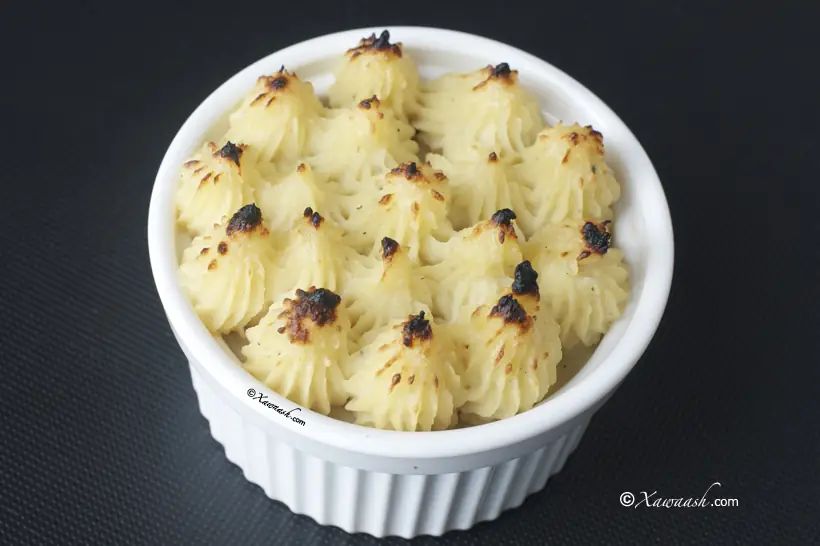
Transfer to ramekins or a baking dish. Use a decorating bag and tip to fill the ramekins. You can skip this step and serve the mash immediately.
Broil for 10 minutes.
OR: Transfer to ramekins or a baking dish and sprinkle some grated cheese on top. You can skip this step and serve the mash immediately.
Broil for 10 minutes.

Comments
16 commentsThanks! Your comment will appear once we’ve checked it.
Something went wrong. Please try again.
Asalamu aleykum A and L,
I love the stories and the background information that you post with recipes. This one in particular, was very interesting as it showed me that we are related!. Your grandmother’s name brought back childhood memories and stories that my father used to tell us. My grandfather, as young orphan, was part of families who fled the dervishes under the leadership of your great grandfather and his uncle Egal. I’ll try this recipe as it seems easy and kid friendly.
Wa’alaikum Assalam Warahmatullahi Wabarakatuh.
It is great to know that you enjoyed reading the stories along with the recipe. It is important that each one of us gathers our family history before they are lost forever. We hope that you and all the family are doing well.
this is a good recipe
Yes, we like it too.
waad ku mahadsantihiin faalada fiican ee aad nasiisan
Adigaa mahadda mudan walaal.
waxan rabaa taloyin badan oo ku sabsan nolosha
Waxa aad na weydiinaysid haddaan aqoon u leenahay waan kaaga jawaabeynaa. Walaalahaa ayaan nahay, waxbana kaama hagraneyno, wax isweydiin na maxuma. Yar iyo weynba talo waan isku leennahay.
asc wr wb aad Ayad umahadsan tahay walashay qayr ilahay ha ku siiyo. ukhtii waxaan ku waydiinayaa ma isticmali karaa baradho caadi ah jzklq
Wacalaykum Assalaam Waraxmatullaahi Wabarakaatuh.
Adigana Ilaahay qayr badan ha ku siiyo walaal. Baradhada caadiga ah waa isticmaali kartaa haddaad jeceshahay.